










































The post Taiwan Pushes Bitcoin Reserve Strategy to Reduce Dollar Dependence appeared first on Coinpedia Fintech News
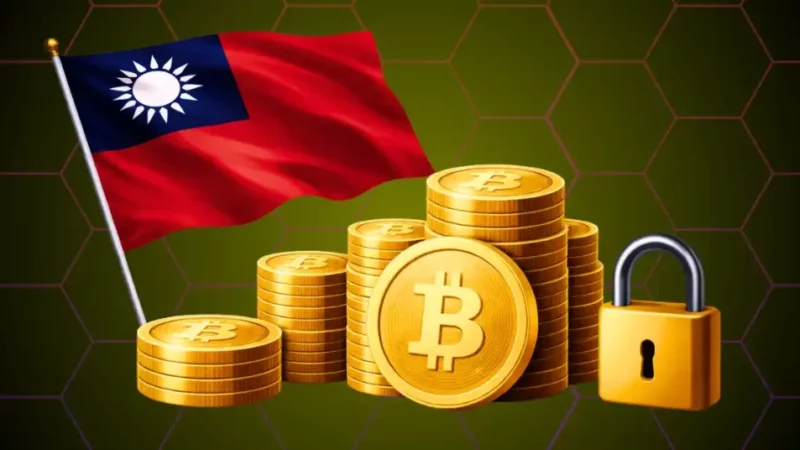
Taiwan is stepping deeper into crypto policy discussions as lawmaker Dr. Ko Ju-Chun presented a proposal to add Bitcoin to the country’s national reserves. The report, backed by the Bitcoin Policy Institute, was delivered directly to Premier Cho Jung-tai and central bank Governor Yang Chin-long during a formal Legislative Yuan session.
This move signals a clear shift, bringing Bitcoin from theory into serious government-level consideration.
Why Taiwan Is Looking at Bitcoin Reserve Strategy
Taiwan currently holds around $602 billion in foreign exchange reserves, with over 80% tied to U.S. dollar assets. This heavy concentration has raised concerns about exposure to geopolitical risks and currency instability.
Dr. Ko urged the government to explore allocating a portion of these reserves into Bitcoin as a strategic hedge. He also asked the central bank to submit a new report within one month on stablecoins and digital asset reserves.
As BPI researcher Jacob Langenkamp explained, “Taiwan faces a unique convergence of geopolitical risk and reserve concentration,” adding that Bitcoin could remain accessible even in extreme scenarios where traditional assets are restricted.
Bitcoin’s Strategic Advantage
The core argument behind the proposal is simple. Bitcoin offers decentralization and resistance to seizure. Unlike gold or fiat reserves, it does not rely on physical transport or a single government system.
Sam Lyman highlighted the importance of the move, saying, “Dr. Ko’s decision… demonstrates the seriousness with which Taiwan’s lawmakers are evaluating Bitcoin as a strategic asset.”
This positions Bitcoin as more than just an investment; it’s being framed as a national security tool.
Central Bank Still Not Sure
Despite the momentum, Taiwan’s central bank remains careful. It had previously rejected Bitcoin in 2025 due to concerns over volatility, liquidity, and custody risks.
However, the stance is evolving. The bank has already begun testing digital assets through a sandbox using seized Bitcoin, suggesting openness to further exploration.
What Happens Next
The proposal now moves to the executive branch and the central bank for review. Their response could shape not just Taiwan’s strategy, but also influence how other nations approach Bitcoin reserves in the future.
Source: Original Article