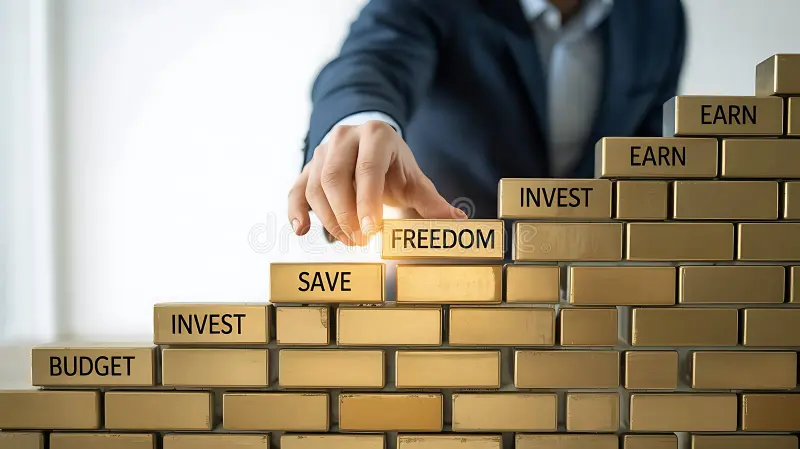
Salaried employees with rising bills and side-hustlers relying on irregular gigs often live with the same quiet pressure: financial instability tied to single income reliance. When one paycheck, one client, or one platform slows down, the margin disappears and decisions get made from urgency instead of strategy. Building multiple income streams isn’t about chasing shiny opportunities; it’s about creating income diversification benefits that reduce risk and smooth cash flow. With the right financial flexibility strategies, income can become less fragile.
Understanding Multiple Income Sources
Multiple income sources means you earn from more than one place, with each stream serving a clear purpose. It can be a mix of active work and repeatable revenue, but it is not random side gigs. You start low-friction by picking one stream, choosing a simple legal structure, then building routines to track money.
It matters because diversification can soften the blow of a slow month, a job change, or a platform shift. The tradeoff is added complexity, so your system needs to scale with you, starting with review financial performance to see what is already working.
Think like a business, not a hustler. Even US banks rely on more than one revenue line, and they manage each stream with clear reporting. With that foundation, a vending machine route becomes easier to evaluate responsibly.
Launch a Vending Route for Recurring, Semi-Passive Cash Flow
Once you understand how different income sources can fit together, it helps to look at a real-world option that can run on a repeatable schedule: a vending machine route. With a vending route business, you generate revenue by placing machines in strategic locations and then managing what keeps them earning, product inventory, basic maintenance, and a consistent restocking routine. The big levers are practical: choosing locations that actually get steady foot traffic, getting clear on startup costs (machines, initial inventory, and setup), and stocking items that match what customers in that specific spot will buy.
Ongoing operations matter just as much as the launch, because your profits depend on how well you keep machines filled, working, and aligned with demand over time. If you want a straightforward overview before you try it now, focus on how you’ll evaluate locations, estimate up-front costs, and plan the cadence of restocking and service.
It’s not “set it and forget it,” but with the right expectations and oversight, a vending route can become a recurring revenue stream that complements your other income sources, and in the next section, you’ll score potential streams to choose what to start next.
Use a Skill-to-Stream Scorecard to Pick What to Start Next
If you’ve got more than one income idea (or already have one running, like a vending route), the real win is choosing what fits your skills, time, and cash right now. Use this scorecard to make decisions faster, and build variety without burning out.
- Build a 10-minute Skill-to-Stream Scorecard: List 5–8 income stream ideas down the left (vending route expansion, freelancing, renting out equipment, digital products, a weekend service, etc.). Across the top, score each 1–5 on Skill fit, Time to first dollar, Upfront cash, Ongoing hours/week, Risk, and Scalability. Add one more column called Energy cost (how draining it feels), because “profitable” still fails if it wrecks your schedule.
- Sort opportunities into skill-aligned vs. resource-based income: Skill-aligned opportunities pay for what you can do (consulting, repairs, coaching, design); resource-based income pays for what you own or can access (a vehicle, storage space, a spare room, tools, or a vending machine route). This split helps you diversify intelligently, if your day job already uses a lot of brainpower, a simpler resource-based stream can balance it. If cash is tight, start with skill-aligned work that requires little upfront spend.
- Use the “small test” rule before you build the whole thing: For any stream scoring high, design a 14-day validation sprint: make one offer, put it in front of 20–30 people, and ask for a yes/no commitment. For vending, that might mean pre-qualifying locations and confirming foot traffic before buying another machine; for services, it’s a simple package and a clear price. You’re not chasing perfection, you’re buying clarity.
- Track three numbers weekly and let data pick the winner: Choose a simple dashboard: leads, conversion rate, and profit per hour (net profit ÷ hours spent). This keeps “busy” from pretending to be “effective,” and it naturally guides which stream deserves more time or a price increase. Many operators find that teams who leverage data effectively can improve performance and cut waste, and the same mindset applies to side income.
- Stack “related diversification” to reuse what you already have: Look for a second stream that shares customers, tools, or skills with your first, this is how you grow without doubling your workload. A vending route owner might add micro-market restocking, office snack subscriptions, or maintenance for other operators; a freelancer might add templates or a workshop built from the same expertise. The logic mirrors how the iPhone used many of the same resources as Apple’s existing products.
- Set a capacity cap and automate one handoff before adding another stream: Decide your weekly limit (example: 6 hours/week total for all side income) and don’t exceed it for 30 days. Before you add a new stream, automate or standardize one piece of the current one, reorder checklists for vending, scripts for sales calls, templated invoices, or a simple weekly ops routine. This is how you compound income streams without compounding stress.
Crypto Investing Basics: A Cautious Way to Diversify
Once your scorecard points you to a higher-risk, higher-upside stream, crypto may come up as a small diversifier. Crypto investing means buying digital assets you can hold or trade; the potential reward is outsized growth, and the risk is equally large swings and total-loss scenarios. Start with money you can afford to lose, choose a reputable exchange, secure your account, begin with small amounts, and consider a simple buy-and-hold approach. Next, we’ll cover the practical questions, taxes, time, and what to track.
Multiple Income Streams: Common Questions Answered
Q: How do I manage multiple income streams without getting overwhelmed?
A: Give every stream its own “lane” by using separate categories in one budget or separate accounts for business versus personal. Set one weekly money date to record income, bills, and transfers. Keep it simple: track only what came in, what went out, and what must be set aside.
Q: What should I track across different accounts to stay organized?
A: Track four numbers: total income received, total expenses paid, cash on hand, and taxes set aside. Use a single spreadsheet or app and reconcile it weekly so nothing drifts. Save receipts and export statements monthly for a clean paper trail.
Q: How do I handle uneven cash flow from side gigs or freelance work?
A: Build a buffer in a dedicated “income smoothing” fund so slow months do not derail essentials. Prioritize predictable bills first, then savings, then optional spending. The stat that 82% of small businesses fail due to poor cash flow management is a good reminder that timing matters as much as totals.
Q: Should I spread money across many streams or focus on a few?
A: Start with one reliable base stream, then add one or two that fit your time and skills. Diversify slowly so you can measure results and avoid burnout. If you add high-volatility options like crypto, keep them small and rules-based.
Q: Can I really do this if I already work full time?
A: Yes, and you are not alone: 9.1 million Americans held multiple jobs in March 2025. Choose low-maintenance options first, like a productized service or automated investing. Protect your main job by setting clear hours and a weekly cap.
Start One Income Stream Now, Grow Multiple Streams Steadily
It’s easy to feel torn between wanting multiple revenue streams and fearing they’ll become a messy second job. The steady path is the one you’ve been building here: long-term financial planning with simple rules, clear priorities, and patience, so sustainable income growth stays manageable. Over time, the financial diversification benefits show up as smoother cash flow, less reliance on any one paycheck, and more options when life shifts. Build one reliable stream first, then diversify with intention.